Travel Destinations
Why is Kasol Called Mini Israel? Facts & Culture Guide
October 1, 2026
October 1, 2026
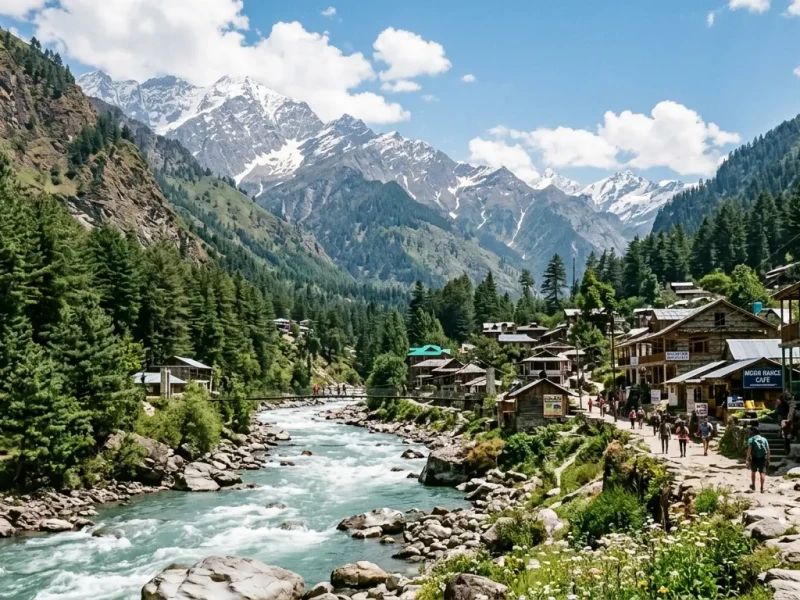
Kasol, a village in Himachal Pradesh’s Parvati Valley, is known for pine forests, the Parvati River, mountain trails and a relaxed backpacker culture. But one nickname makes it especially famous: “Mini Israel of India.” The name is not because Kasol looks like Israel. It developed because Israeli travellers have had a strong and lasting influence on the village’s tourism, food, language and everyday atmosphere.
Over several decades, Israeli backpackers made Kasol and nearby Parvati Valley villages regular stops on their India journeys. Their presence encouraged cafés, guesthouses and local businesses to adapt to their needs. Hebrew signs, Israeli dishes and Jewish community spaces gradually became familiar sights. That mix of local Himachali life and Israeli travel culture is what gave Kasol its unusual identity.
The Israeli connection with Kasol goes back decades, with the flow becoming particularly noticeable from the 1990s. Many young Israelis travel abroad after completing mandatory military service. For some, India became a place to slow down, explore the mountains and spend an extended period away from their usual routine.
Kasol offered several things that suited long-stay travellers: affordable accommodation, beautiful mountain scenery, trekking routes and a relaxed village environment. Word of mouth also played an important role. Travellers who enjoyed the Parvati Valley returned with friends, creating a continuing travel network.
ThePrint’s 2026 ground report describes how Israeli travellers helped shape the modern tourism economy of the valley. As visitors stayed for weeks or months, local families expanded homestays and cafés, while guides, drivers and other businesses found new opportunities. This long-term relationship is an important part of understanding why Kasol became known as Mini Israel.
The nickname grew from visible cultural changes rather than from any official designation. Walk through Kasol and you may notice Hebrew writing alongside English and Hindi. Cafés and shops have historically used Hebrew menus, signs and posters to communicate with Israeli visitors.
Food is another major part of the story. Israeli favourites such as hummus, falafel, pita and shakshuka became common on café menus. These dishes are now part of Kasol’s wider backpacker food culture, attracting Indian and international travellers as well.
Language also tells the story. Years of interaction have led some local residents and business owners to learn basic Hebrew phrases. Recent reporting from ThePrint notes that Hebrew words and expressions have become part of everyday conversations in parts of the valley.
There is also a Jewish community presence. Chabad Kasol has offered services, gatherings and Israeli-style kosher food for travellers, adding another layer to the village’s connection with Israeli visitors.
Yes, “Mini Israel” remains one of Kasol’s best-known descriptions, although the reality is more nuanced than the nickname suggests. Israeli visitors have been an important part of Kasol’s tourism identity, but they are not the only travellers who visit the village.
In 2026, some reports have also noted changes in the number of Israeli backpackers visiting the region. Outlook Traveller reported a quieter season for Israeli tourism in Kasol, linking the change to geopolitical tensions and flight disruptions. Even when visitor patterns change, the cultural influence built over decades remains visible in food, signage, businesses and local tourism.
The biggest attraction is not simply the Israeli connection. Kasol works because several experiences come together in one compact Himalayan destination.
The Parvati River runs through the valley, while forests and mountain views create a natural setting for slow travel. Kasol is also used as a base for exploring nearby places such as Chalal, Tosh, Malana and Manikaran. Trekkers, backpackers, photographers, couples and groups of friends can all find different reasons to spend time here.
Its café culture is equally important. Instead of treating food as a quick stop, many travellers use cafés as places to read, meet people, plan treks or simply spend an unhurried afternoon. The influence of Israeli food and backpacker habits has helped shape this atmosphere.
For travellers interested in culture, Kasol offers something more interesting than a standard sightseeing destination: you can see how years of international tourism have changed a small mountain community while its Himachali character remains present.
A trip to Kasol can include much more than visiting the main market. Walk along the Parvati River, explore the lanes around Old Kasol, and take the trail towards Chalal if conditions are suitable. You can also explore Manikaran for its religious and cultural significance.
If you enjoy trekking, the wider Parvati Valley offers routes and villages that can be added to your itinerary. Tosh and nearby villages provide a quieter mountain experience, while longer plans can include other parts of Himachal Pradesh.
Food should also be part of the experience. Try Israeli-inspired café dishes, but do not overlook Himachali food. Experiencing both sides gives you a better understanding of why Kasol feels culturally different from many other hill destinations.
The right time depends on what you want from the trip. Spring and summer are popular for pleasant mountain weather and outdoor activities. September to November can offer clearer skies and comfortable conditions for exploring. Winter brings a colder, quieter experience, while monsoon travel requires extra care because heavy rain can affect mountain roads and trekking conditions.
Before travelling, check current road conditions, local weather and the status of trekking routes. Mountain conditions can change quickly, so a flexible plan is useful.
Knowing why Kasol is called Mini Israel makes the destination more meaningful, but planning the right trip is equally important. Vcationswale can help travellers build a customised Himachal itinerary around their preferred dates, budget, hotel category and travel style.
Instead of following a rigid schedule, you can combine Kasol with Manali, Tosh, Manikaran or other Himachal destinations according to the time available. Vcationswale offers customised itineraries, handpicked stays, transportation arrangements and one-on-one trip assistance, making it easier to plan a mountain holiday around your requirements.
If Kasol is on your travel list, do not visit only for the “Mini Israel” label. Spend time understanding the valley, its people, its food and its changing tourism culture. That is where the real story of Kasol begins.
Kasol is called Mini Israel because of the strong and long-standing influence of Israeli travellers on its tourism, food, Hebrew signage and local travel culture.
Yes. Several cafés in Kasol have historically served Israeli-inspired dishes such as hummus, falafel, pita and shakshuka.
No. Kasol welcomes travellers from India and many other countries. It is popular with backpackers, trekkers, couples, groups and nature lovers.
Kasol is famous for the Parvati Valley, riverside scenery, cafés, trekking routes, backpacker culture and its long association with Israeli travellers.
Yes. Kasol can work as part of a longer Himachal itinerary, especially when combined with nearby destinations and villages.