Travel Destinations
Why Is Jammu Called the City of Temples? | Vcationswale
October 12, 2026
October 12, 2026
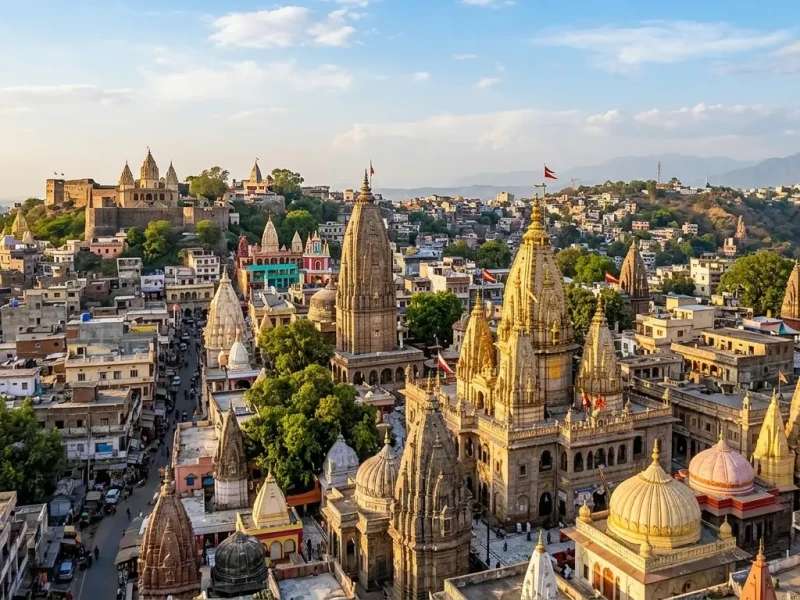
Jammu is known as the City of Temples because of its numerous ancient shrines, historic temple complexes and deep connection with Hindu religious traditions. Located along the River Tawi in the Shivalik foothills, Jammu has been an important centre of faith, culture and heritage for generations. Its skyline features temple spires, while its streets lead visitors to some of the region's most respected places of worship.
For many travellers, Jammu is also the starting point of a pilgrimage to Mata Vaishno Devi. However, the city has much more to offer than a stop on the way to Katra. Its historic temples, Dogra heritage, local traditions and peaceful surroundings make it a destination worth exploring.
Jammu earned the name City of Temples because temples and shrines form an important part of its landscape, history and everyday cultural life. From the famous Raghunath Temple to the revered Bawe Wali Mata shrine, the city has several religious sites that attract devotees throughout the year.
The tradition of temple building received considerable support under the Dogra rulers, who contributed to Jammu's religious and architectural heritage. Many historic temples continue to serve as places of worship, while their architecture reflects the craftsmanship and traditions of earlier generations.
Another reason behind Jammu's identity is the close relationship between pilgrimage and local life. Religious festivals, prayers and visits to sacred sites remain important traditions for many residents. Together, these factors explain why Jammu is widely recognised as the City of Temples.
According to local tradition, Jammu was founded by Raja Jamboo Lochan. Legend says that during a hunting expedition, the king saw a lion and a goat drinking water near the Tawi River without attacking each other.
Surprised by this unusual sight, he understood it as a sign of harmony and decided to establish a settlement there. The place became known as Jambupura or Jamboo Nagar before its name gradually changed to Jammu.
This story is part of the city's traditional history rather than a fully verified historical account. Nevertheless, it remains an important part of local identity.
Jammu later developed under the Dogra rulers and became the winter capital of the erstwhile princely state of Jammu and Kashmir. During this period, temples, palaces and other heritage structures contributed to the city's growth. Many of these landmarks continue to attract visitors interested in religion, history and architecture.
Visitors exploring Jammu can discover several temples, each with its own history and significance.
Raghunath Temple is one of the most prominent religious landmarks in Jammu. Located in the busy Raghunath Bazaar area, the temple complex was begun by Maharaja Gulab Singh and completed under his son, Maharaja Ranbir Singh, in the nineteenth century.
Dedicated primarily to Lord Rama, the complex also contains shrines devoted to other Hindu deities. Its gold-decorated interiors, religious sculptures and collection of sacred texts reflect the importance given to faith and learning.
For anyone researching famous temples in Jammu, Raghunath Temple is an essential place to include in a sightseeing itinerary.
Situated inside Bahu Fort, Bawe Wali Mata Temple is dedicated to Goddess Kali, also known as Mahakali. The present shrine dates to the period following Maharaja Gulab Singh's coronation in 1822.
The temple holds a special place in the religious life of Jammu. Devotees visit throughout the year, with particularly large gatherings during Navratri. Its location within the historic fort also allows visitors to explore two important attractions in the same area.
Ranbireshwar Temple is a well-known Shiva temple established under Maharaja Ranbir Singh. Construction began in 1863 and was completed in 1878.
The temple is particularly recognised for its large central crystal Shiva lingam and numerous smaller lingams. Devotees visit to offer prayers to Lord Shiva, especially during important religious occasions.
Its distinctive religious features make it an important stop for pilgrims and visitors interested in Jammu's spiritual heritage.
Maha Maya Temple stands on a wooded ridge near the Bahu Fort area. Dedicated to the goddess Maha Maya, the shrine offers a different experience from the busier temples in central Jammu.
The surrounding greenery and views across parts of the city make it appealing to visitors interested in combining religious visits with time outdoors. It is worth considering when planning a wider Jammu sightseeing route.
Although temples define much of Jammu's public identity, the city's heritage extends beyond religious architecture.
Mubarak Mandi Palace Complex reflects the region's Dogra royal history, with historic buildings, courtyards and architectural details that offer insight into the former ruling family. Bahu Fort is another significant landmark, combining historical interest with religious importance.
Jammu is also known for Dogra traditions, regional cuisine and local markets. Exploring these aspects helps visitors understand the city beyond its pilgrimage routes.
The city has shrines associated with different faiths as well. This wider religious landscape adds another dimension to Jammu's cultural character and makes its heritage more diverse than its popular nickname might suggest.
The best time to explore Jammu generally depends on the weather and the purpose of your visit.
October to March is often a comfortable period for sightseeing, although winter mornings and evenings can be cold. Spring and the Navratri period can also be attractive for visitors interested in religious festivals, but popular shrines may become crowded.
Summer can be hot, so outdoor sightseeing is best planned for the cooler hours of the day. Festival dates vary each year, and visitors should check current arrangements before travelling.
Temple opening hours, security procedures and special entry arrangements may change. Confirm the latest information before setting out.
A well-planned itinerary helps visitors explore the major temples without rushing between locations.
Start with Raghunath Temple and the surrounding market area. Continue to Ranbireshwar Temple, then set aside time for Bawe Wali Mata Temple and Bahu Fort. If your schedule allows, include Maha Maya Temple and other nearby heritage attractions.
Travellers visiting Mata Vaishno Devi can also plan time in Jammu before or after their pilgrimage. Katra, the base town for the shrine, is separate from Jammu city, so allow sufficient travel time between the two.
Your itinerary should account for transport, hotel location, temple timings, walking distances and the needs of elderly family members or children.
Whether you are planning a family holiday, a temple visit or a wider Jammu and Kashmir journey, Vcationswale can help you organise a trip around your travel dates, interests and budget.
From customised itineraries to hotel and transport arrangements, the team helps travellers plan their journeys according to their preferences. You can discuss your requirements before deciding which destinations and experiences to include.
Explore Vcationswale or use the custom trip planning service to discuss your travel plans.
Jammu is called the City of Temples because it has numerous historic temples and shrines that have shaped its religious traditions, architecture and cultural identity.
Raghunath Temple is among the city's best-known temples. Bawe Wali Mata Temple and Ranbireshwar Temple are also important religious landmarks.
No. Jammu is a city, while Katra is a separate town that serves as the main base for pilgrims visiting Mata Vaishno Devi.
One to two days can be sufficient to visit several major temples and selected heritage attractions. Additional time is useful if you plan to visit Katra or other destinations in the region.
Yes. You can contact Vcationswale to discuss a customised itinerary based on your dates, travel preferences, accommodation requirements and budget.
Jammu is called the City of Temples because its historic shrines, religious traditions and temple architecture remain central to the city's identity. Places such as Raghunath Temple, Bawe Wali Mata Temple and Ranbireshwar Temple reveal different aspects of its spiritual heritage.
Yet Jammu is more than a pilgrimage destination. Its Dogra history, royal landmarks, local culture and connection to the wider Jammu and Kashmir region give visitors plenty of reasons to explore it. With a thoughtful itinerary, travellers can experience both its sacred places and its wider cultural heritage.