Travel Destinations
What Is Travelling and Why Is It Important in Our Life?
October 5, 2026
October 5, 2026
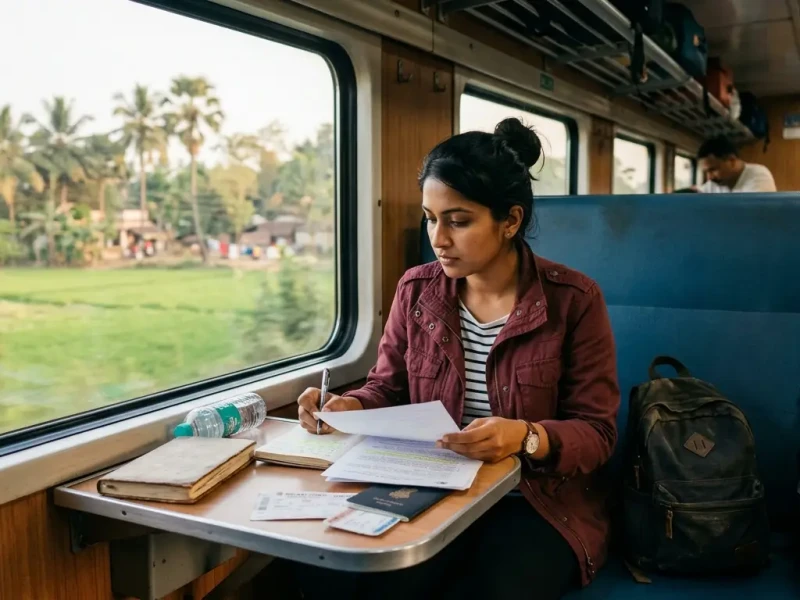
Travelling is more than moving from one place to another. It is the experience of seeing new places, meeting different people, understanding cultures and stepping away from the routine we follow every day. A short weekend trip, a family holiday, a solo journey or an international vacation can all become meaningful forms of travel.
In simple words, travelling means going beyond your familiar surroundings to experience something different. It can be for relaxation, learning, adventure, work, family time, spirituality or simply the desire to discover a new place. That is why travelling has an important place in modern life.
Life can easily become a repeated cycle of work, responsibilities, home and daily commitments. Travelling gives us a chance to pause that routine. More importantly, it brings experiences that cannot always be gained from books, screens or conversations.
When we travel, we see how other people live, eat, work and celebrate. We discover new landscapes and understand that the world is much larger and more varied than our own surroundings. These experiences can change the way we think and help us appreciate what we have.
One of the main reasons people travel is to take a break from daily pressure. Spending a few days in the mountains, beside a beach, in a quiet town or at a spiritual destination can create distance from the usual routine.
A change of surroundings can give your mind something new to focus on. You may return home feeling refreshed, not because every problem has disappeared, but because you have had time to step back and look at life differently.
Every destination has its own food, traditions, language, history and way of life. Travelling allows you to experience these differences directly.
For example, visiting Rajasthan can introduce you to its forts, local food, crafts and royal history. A trip to Kerala can show you a very different landscape, cuisine and lifestyle. International travel takes this experience even further by exposing you to unfamiliar customs and social habits.
This firsthand experience helps build cultural understanding. Instead of judging something because it looks different, you become more willing to understand the reason behind it.
Travel is also a practical form of learning. You can read about a historical monument, mountain range or ancient city, but seeing it in person creates a stronger connection with the subject.
A visit to a heritage site can make history easier to understand. Walking through a new landscape can make geography feel real. Speaking with local people can teach you things that a standard travel guide may never explain.
For children and young adults, travel can be especially useful because it connects classroom knowledge with real experiences.
Not everything goes exactly according to plan while travelling. A delayed vehicle, unfamiliar road, change in weather or last-minute decision may require you to think quickly.
Handling these situations can improve confidence and problem-solving skills. You learn to manage time, communicate with people, make decisions and adapt when circumstances change.
Solo travel can strengthen independence even more, while family and group travel can teach cooperation and responsibility.
A good trip is not only about the destination. It is also about the people sharing the experience with you.
Family holidays give parents and children time away from school, work and household routines. Couples can create new memories together, while friends often discover new sides of each other during a journey.
Shared experiences can become stories that people remember for years. Sometimes, a simple road trip or family holiday becomes more valuable than an expensive material purchase because the memory stays with you.
New surroundings can reveal parts of your personality that everyday life may hide. You may discover that you enjoy adventure, photography, quiet mornings, local food, history or meeting new people.
Travelling can also make you think about what matters to you. Being away from familiar routines gives you time to reflect, make decisions and understand your priorities.
This is one reason travel is often connected with personal growth. You return not only with photographs, but also with a better understanding of yourself.
Places may change, hotels may be forgotten and photographs may eventually sit quietly in your phone gallery, but meaningful experiences can stay with you.
Watching a sunrise in the mountains, taking a boat through Kerala's backwaters, walking through an old fort or sharing a meal with family can become a memory you revisit for years.
Travel gives us stories to tell and moments that break the sameness of everyday life.
Good travel also teaches us to respect places and people. Following local customs, avoiding unnecessary waste, supporting local businesses and protecting natural areas make a trip better for everyone. When travellers understand that destinations are homes for communities, not just attractions, they become more careful about how they travel. This matters especially in popular destinations where tourism can affect local culture and the environment. Responsible travel helps preserve the experiences that future travellers will want to enjoy for generations.
A meaningful trip does not always require a large budget or a long holiday. What matters is choosing a destination that matches your interests, time and travel style.
Before booking, consider your budget, preferred pace, accommodation, transport, activities and the people travelling with you. A realistic itinerary should leave enough time to enjoy a place instead of rushing from one attraction to another.
This is where a reliable travel company can make planning easier. Vcationswale helps travellers create customised trips based on their destination, dates, group, preferences and budget. Its travel options cover Indian destinations such as Kashmir, Kerala, Himachal, Uttarakhand and Rajasthan, along with international holidays including Bali and Dubai.
Instead of forcing every traveller into the same plan, Vcationswale focuses on personalised itineraries, handpicked stays, transfers and experiences. This can be useful for families, couples, groups and travellers who want a holiday planned around their actual needs.
Travelling should not be seen only as an expense. It can be an investment in experiences, relationships, knowledge and personal growth.
You may spend money on a trip, but what you bring home can be much more valuable: a new perspective, a stronger relationship, greater confidence, a lesson from another culture or a memory that stays with you.
The next time you think about travelling, do not ask only, “Where should I go?” Ask, “What do I want to experience?”
That question can change the way you plan a holiday.
Whether you want a peaceful family escape, an adventurous mountain trip, a romantic honeymoon or an international vacation, the right journey can add something meaningful to your life. With thoughtful planning and a destination that suits you, travelling becomes more than a break from routine. It becomes a way to learn, connect, grow and experience life beyond the familiar.